
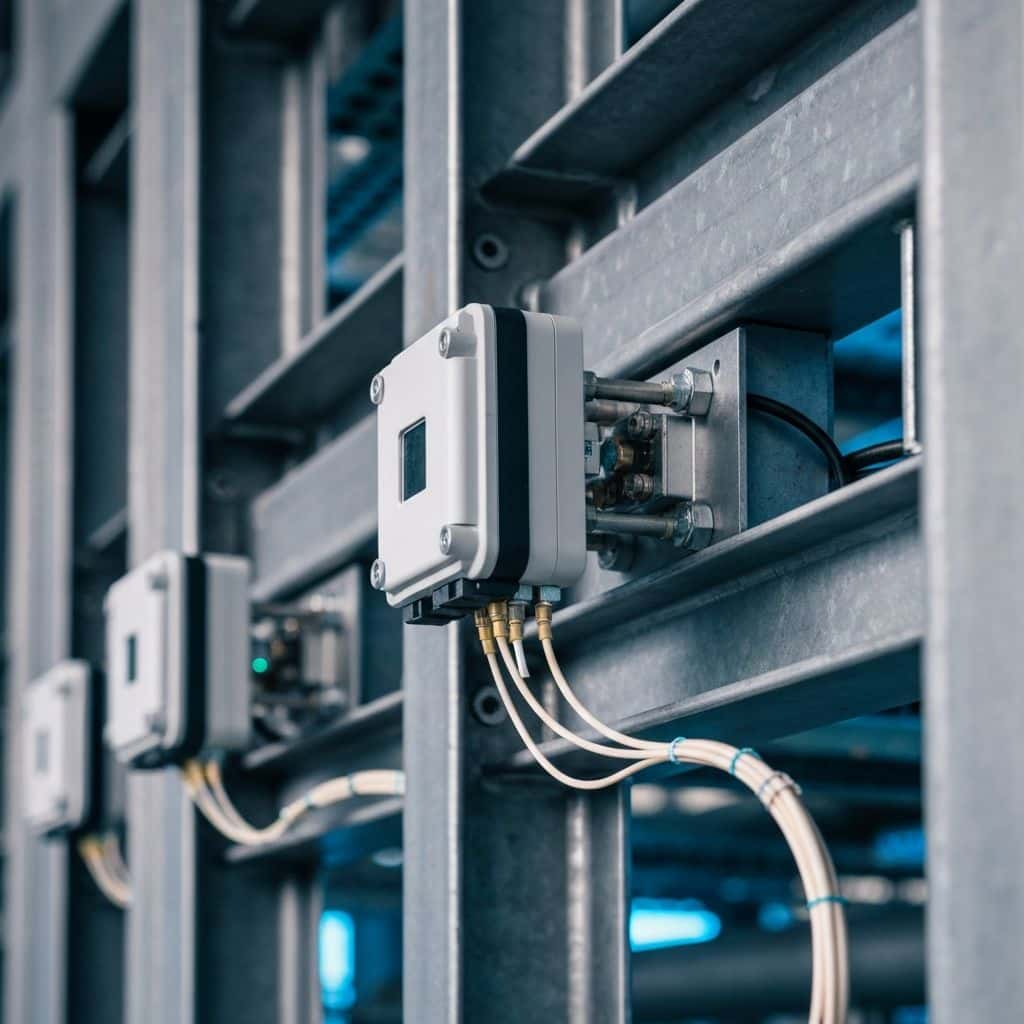
Field equipment and instrumentation for serious monitoring programs.
Starmass deploys and integrates practical field tools, sensor systems, acquisition units, communications equipment, and inspection technologies around the behavior of the asset.
Field-ready
tools selected for real project conditions
Integrated
equipment connected into one data architecture
Maintainable
systems designed for ongoing operation
Tools are selected for the asset, not for a catalog.
The equipment mix can change by structure, environment, risk profile, access condition, data requirement, and reporting workflow. Starmass treats equipment as part of the full monitoring ecosystem.
3D laser scanners
High-precision geometric capture for as-built records, alignment review, deformation mapping, and baseline comparison.
Aerial drones
Remote inspection, visual survey support, large-area documentation, and access to difficult or high-risk locations.
Ground penetrating radar
Subsurface investigation for buried utilities, hidden structural conditions, voids, and corridor mapping.
Interferometers
High-precision displacement and deformation monitoring for settlement, slope response, excavation impact, and structural movement.
Piling vibro and ground tools
Ground improvement and foundation support equipment used where installation, densification, or soil response matters.
Coring, cutting, and field access tools
Practical field equipment for controlled sampling, opening, inspection, and monitoring preparation in active environments.
Data loggers and acquisition units
Multi-channel collection, timestamping, storage, communications handoff, and data integrity for monitoring programs.
Sensor and camera systems
Vibration, strain, tilt, movement, fastener, visual, thermal, and specialized sensors selected around project objectives.
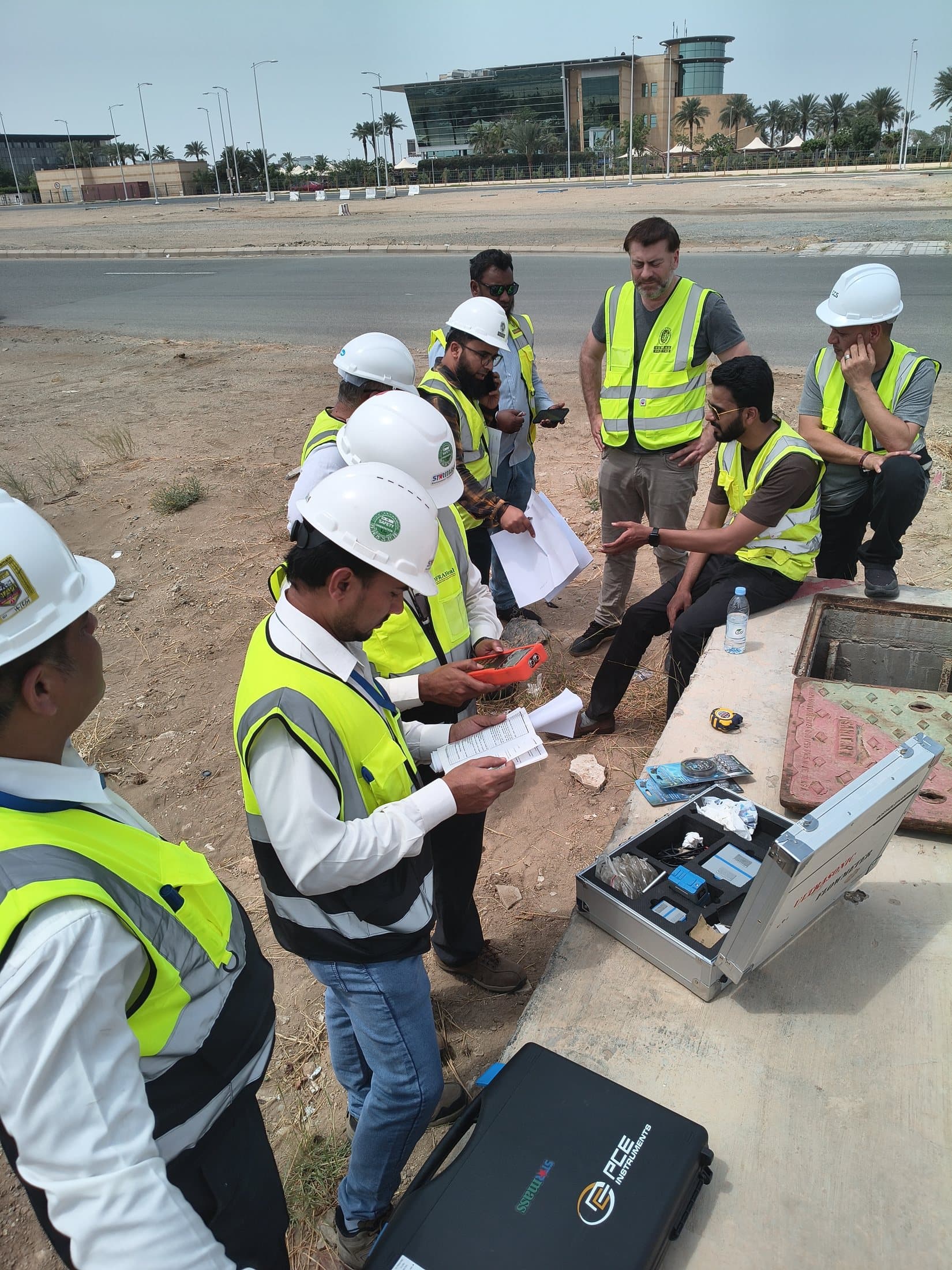
Equipment has to survive the interface between engineering and site reality.
Major monitoring programs rarely fail because a single device is unavailable. They fail when tools, access, data acquisition, communications, reporting, and responsibility are not coordinated. Starmass uses equipment within an accountable system architecture.
Why equipment independence matters.
Product-first recommendations can create fragmented systems and long-term dependence. Equipment-neutral delivery gives owners a more flexible and defensible operating position.
Equipment is selected after the monitoring objective is clear.
Field tools, sensors, communications, and software are treated as one system.
Long-term maintainability matters as much as first installation.
The owner position is protected by avoiding unnecessary vendor lock-in.
Need equipment specified for a structure or monitoring program?
Starmass can help define the right combination of survey tools, sensors, acquisition hardware, communications, dashboards, and maintenance strategy.