
Structural health monitoring
Structural health monitoring connects measured changes in a structure to the decisions its owner needs to make. Starmass integrates sensors, communications, data acquisition and reporting around the asset, its operating environment and the engineering questions that matter.
Build a record of how the structure behaves.
A useful monitoring program starts with the structure's condition, load paths and known concerns. Baseline surveys and inspections help define where measurements belong. Strain, vibration, tilt and displacement data can then be reviewed alongside temperature, loading and maintenance records. Starmass connects these evidence streams into an engineering workflow with agreed reporting responsibilities, data checks and escalation thresholds.
Instrumentation design
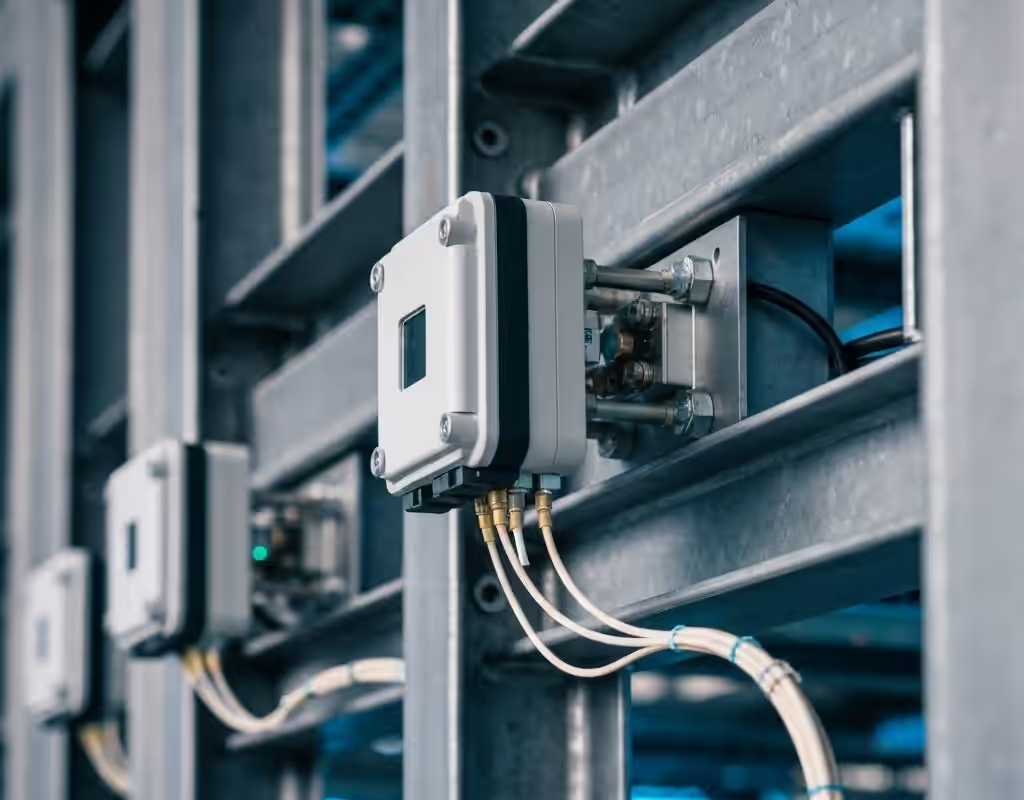
Select measurement locations, sensor types, acquisition rates and communication paths around the expected structural response. Installation access, environmental exposure and calibration requirements are part of the system design.
Validated monitoring data
Review timestamps, sensor health and changes against the baseline before interpreting a trend. A reliable record distinguishes actual structural response from missing readings, instrument drift or changes in operating conditions.
Engineering reporting
Connect trends, alerts and inspection findings to the people responsible for assessment and intervention. Dashboards and reports support decisions about investigation, maintenance and the next monitoring stage.
Applications
- Bridges and transport structures under changing traffic and environmental loads.
- Buildings, towers and industrial structures with movement, vibration or deterioration concerns.
- Heritage assets and infrastructure programs requiring a continuous condition record.
Start with the asset and the decision.
Share the asset type, location, project stage and engineering concern. The Starmass team can help define the evidence, instruments and reporting needed for your monitoring program.